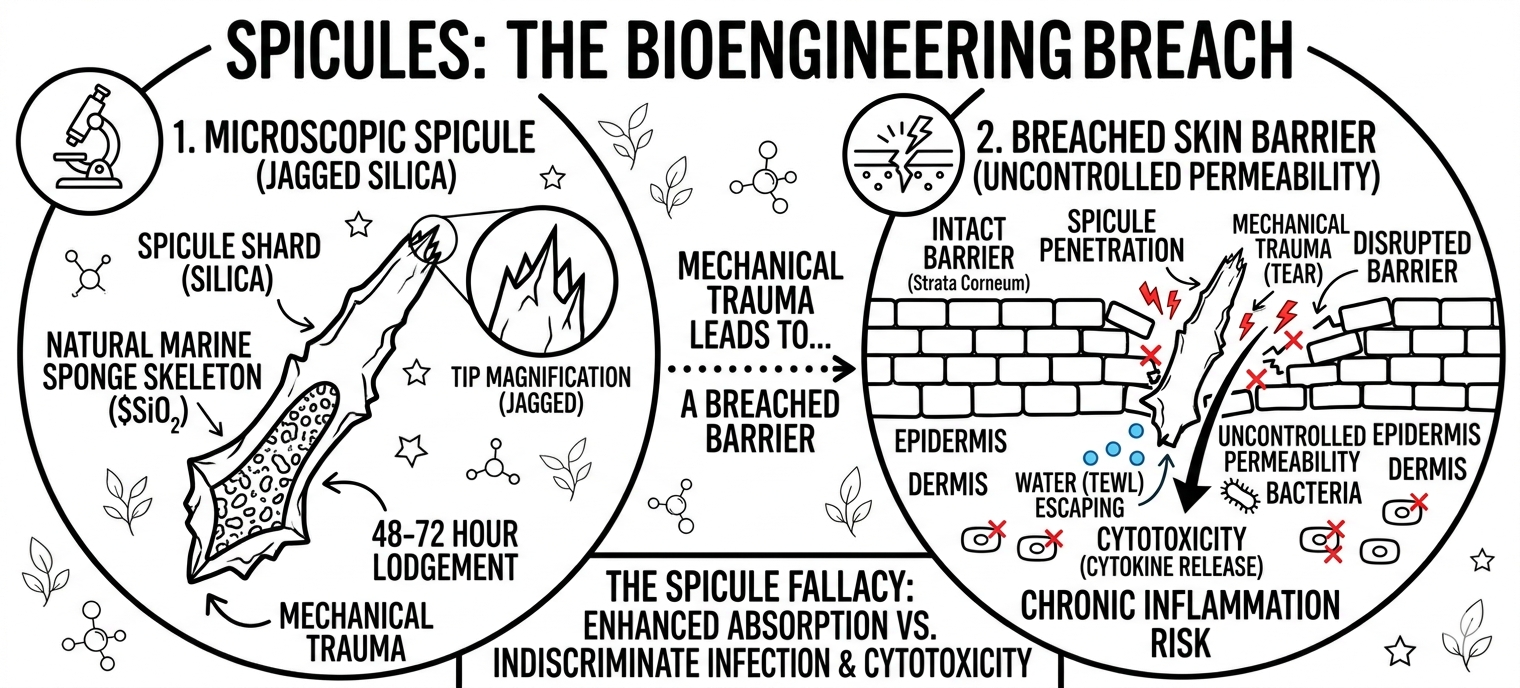
“Microneedling in a bottle” has become a global sensation. These microscopic needles, or Spicules (derived from marine sponges), promise to bypass the skin barrier and deliver active ingredients directly into the dermis. (Read more about Spicules)
However, from a bioengineering perspective, this mechanical breach of our natural defense system comes with significant physiological costs. Here is why you should be cautious about this “liquid needle” trend.
1. The Anatomy of a Breach: Uncontrolled Mechanical Trauma
In a clinical setting, microneedling is performed with sterile, vertical punctures that are immediately withdrawn. Spicules, however, are different.
- The Engineering Flaw: Spicules are essentially jagged shards of silica or calcium. When you massage them into your skin, you are inducing random mechanical trauma.
- The “Foreign Body” Response: Unlike professional needles, spicules remain lodged in your epidermis for 48 to 72 hours. Your skin cannot “digest” these silica shards. What you feel as a “tingling sensation” is actually an acute inflammatory response as your immune system tries to expel these foreign invaders. Chronic use can lead to subclinical inflammation, which ironically accelerates aging—the very thing users are trying to prevent.
2. The Fallacy of “Enhanced Absorption”: Non-Selective Permeability
The biggest selling point of spicules is that they increase absorption by creating micro-channels.
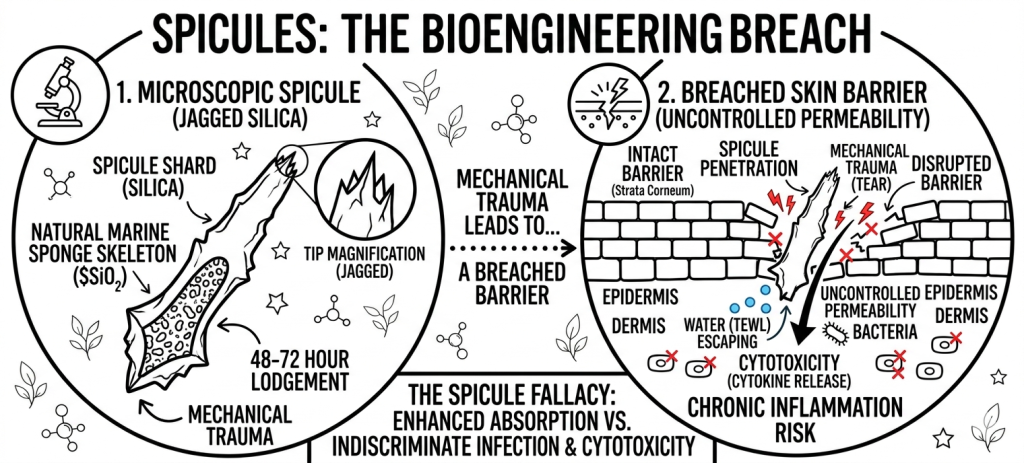
- The Bioengineering Risk: In a lab, we seek “selective permeability.” But spicules create indiscriminate holes. These channels do not distinguish between beneficial peptides and environmental toxins.
- Cytotoxicity: When you break the stratum corneum, you allow pollutants (PM2.5), heavy metals, and pathogenic bacteria direct access to the deeper, living layers. Furthermore, common cosmetic preservatives (like phenoxyethanol) that are safe on the surface can become cytotoxic (cell-killing) when forced into the dermis through these open channels.
3. Prolonged Barrier Disruption vs. Recovery
A healthy skin barrier is a sophisticated gatekeeper.
- The Impact: Spicules don’t just “dissolve.” They stay until the skin naturally sheds them, which can take days or even weeks depending on your turnover rate. During this time, your Transepidermal Water Loss (TEWL) spikes.
- The Danger Zone: For those with compromised barriers, rosacea, or active acne, spicules act as a “Trojan Horse” for bacteria, often spreading infection rather than curing it.
The Ph.D. Verdict: Proceed with Engineering Precision
Spicules are a powerful tool, but they are not “just another cream.” They are a physical delivery system that requires respect. If you choose to use them:
- Avoid “Active Overload”: Never mix spicules with high-strength acids or unstable Vitamin C.
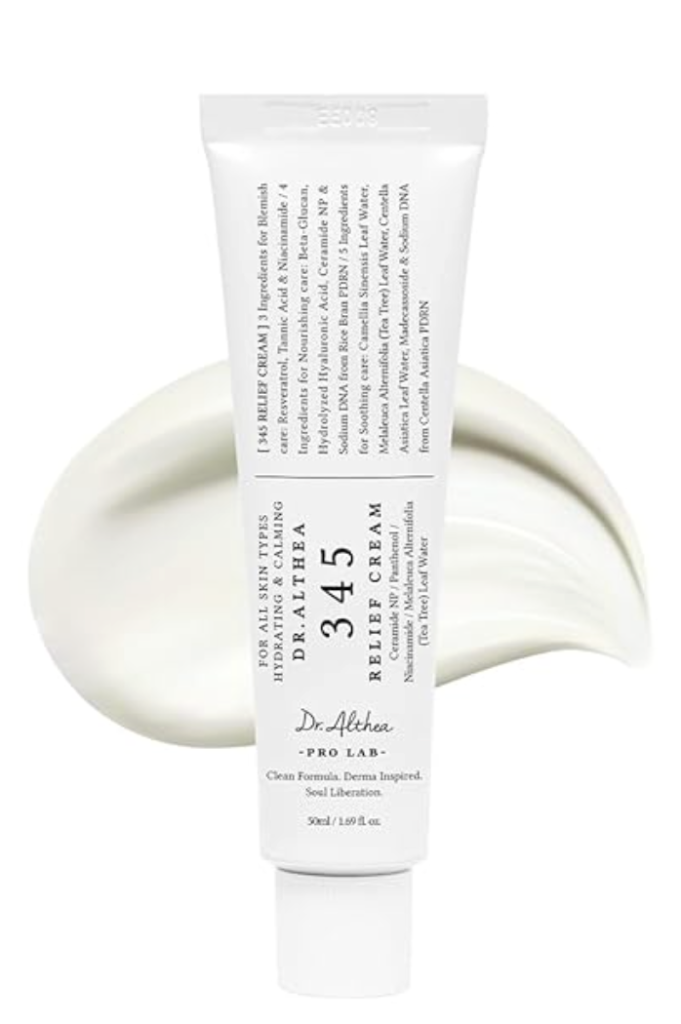
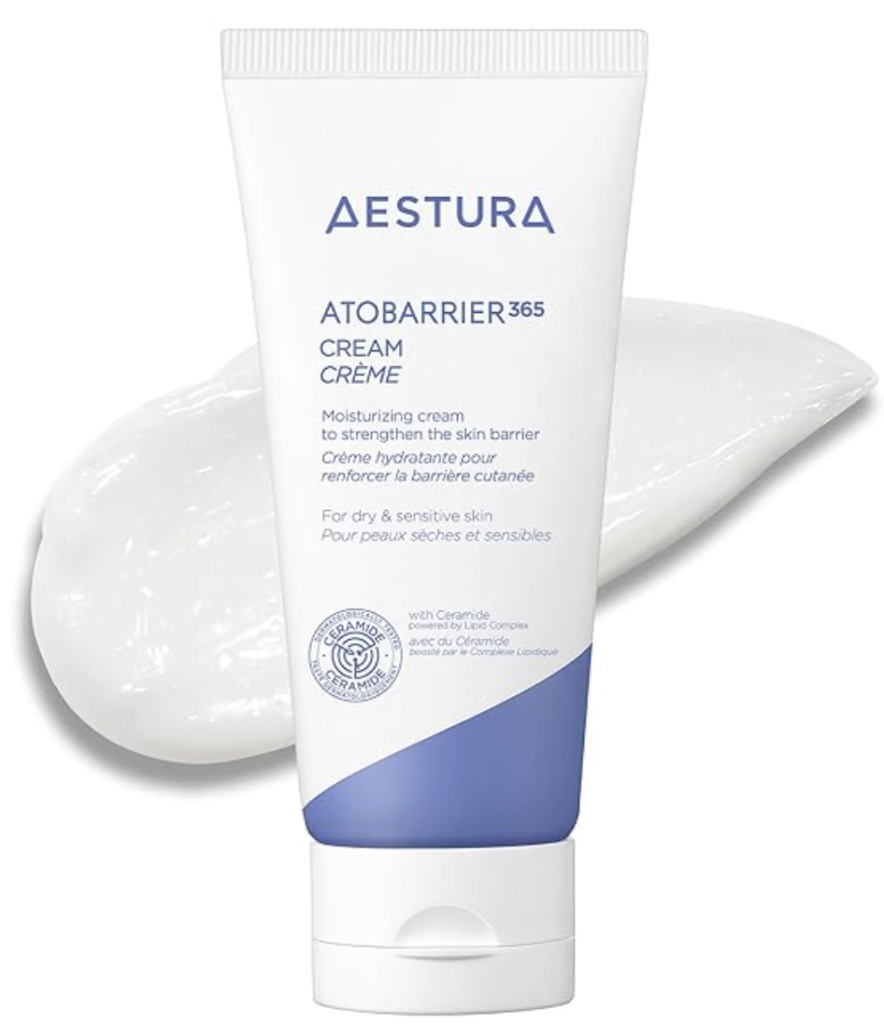
- Prioritize Recovery: Use biomimetic lipids (Ceramides, Cholesterol) to seal the artificial breaches immediately.
- Listen to the Signal: If the “tingle” lasts more than 72 hours, your cellular defense is in distress.
Here are the top-performing recovery/ceramides products on Amazon. Click to view the latest pricing and customer reviews.
As an Amazon Associate, I earn from qualifying purchases.
Leave a Reply